Geography 1.7
Soils of Washington State
Learning Target:Students will be able to explain the different types of soils in Washington.
Success Criteria: On an exit ticket, explain how soil types support agriculture, forests, and wildlife in different regions of Washington.

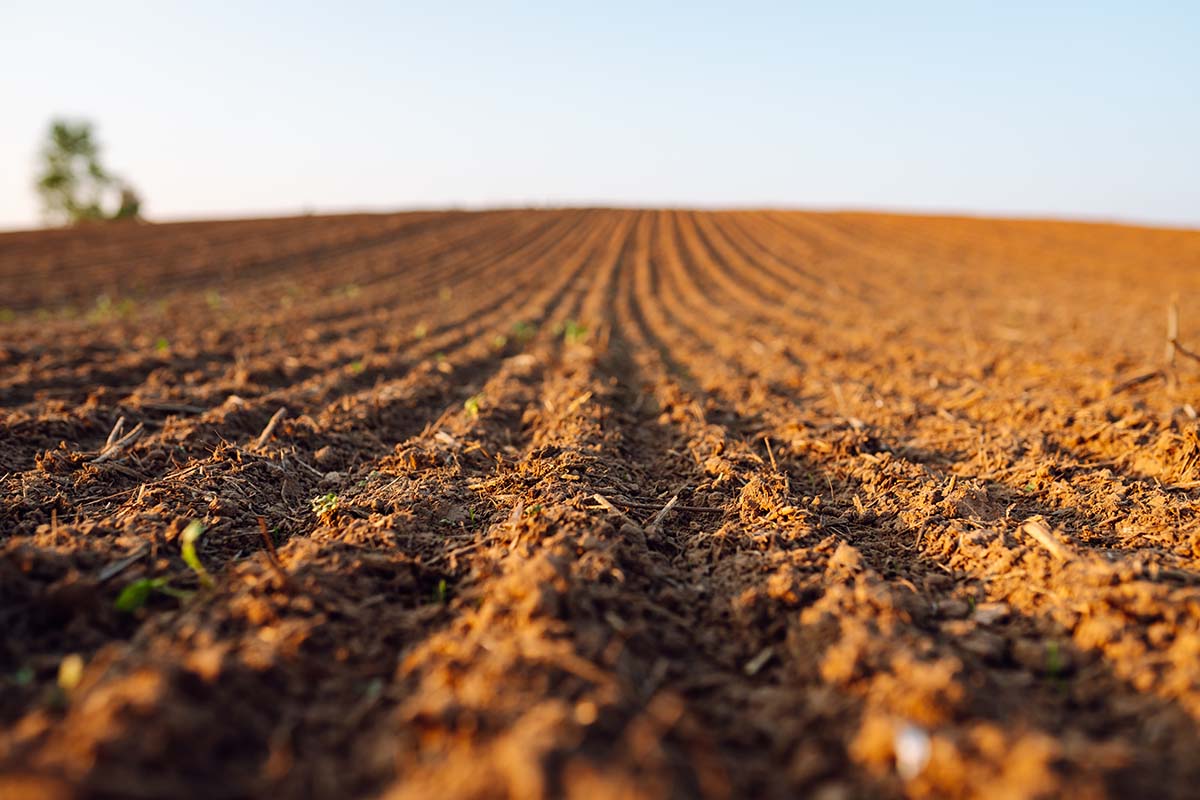
Dirt. Have you ever really thought about it? Dirt. Soil. Most of the time, we try to avoid it. But when you eat, say a potato, you probably don’t think about the soil that it was grown in. But soil is more important than you know. Soil is the foundation of all life on land. It provides the nutrients plants need to grow, supports ecosystems, and plays a key role in our state’s agriculture, forests, and natural beauty. The diverse soils across Washington reflect the state’s varied landscapes, climates, and geological history. Let’s explore some of the main types of soils and how they contribute to our state’s unique environment.
Eastern Washington: Volcanic and Wind-Blown Soils
Eastern Washington is known for its fertile farmlands, thanks to unique soils like loess. Loess is a fine, wind-blown soil deposited during the Ice Age. These soils are especially common in the Palouse region, where rolling hills are covered with deep, rich earth that is ideal for growing wheat, lentils, and other crops. Another key soil type in eastern Washington comes from volcanic ash. Over thousands of years, volcanic eruptions from the Cascades deposited layers of ash, which mixed with other materials to create fertile soils. These volcanic soils retain moisture well, making them excellent for farming in the dry climate.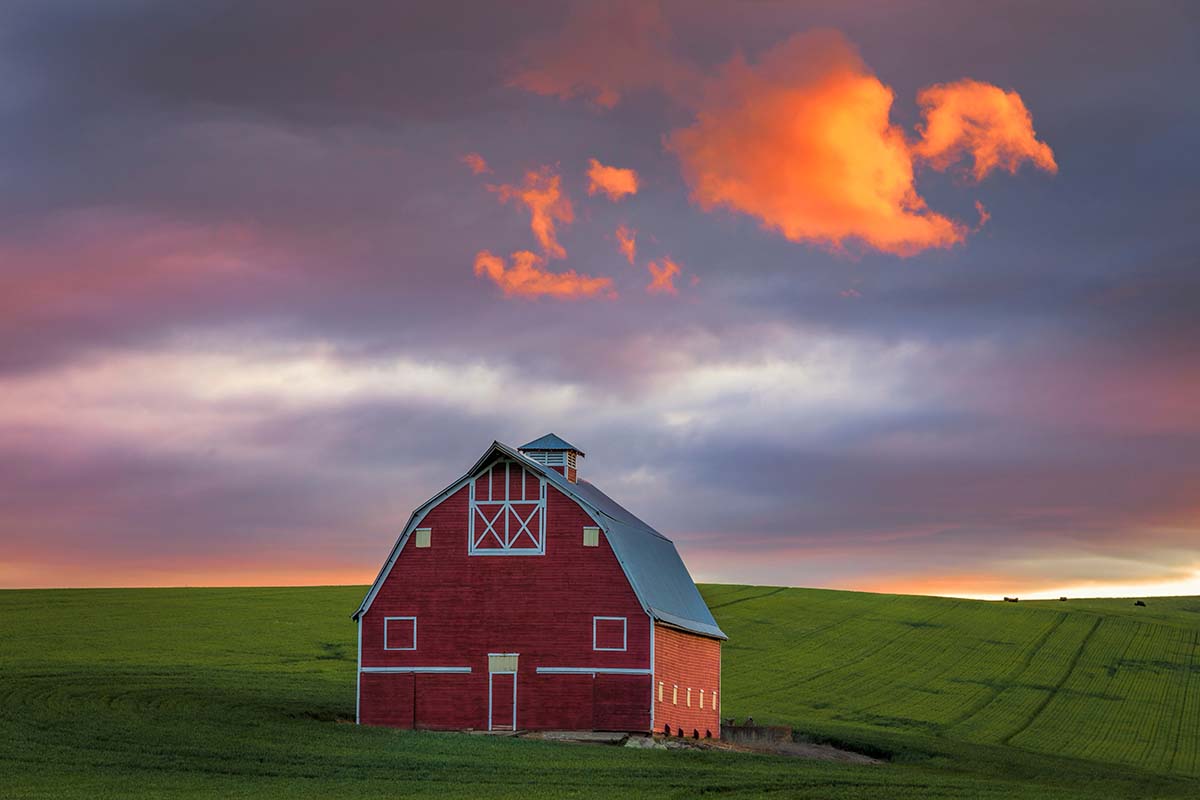
The Palouse is known for farming
Central Washington: Desert Soils
In the central part of the state, the soils are shaped by the dry, desert-like climate. These arid soils, often sandy and low in organic matter, support grasses and shrubs rather than large forests. Despite their dryness, irrigation has transformed these soils into productive farmland for crops like apples, cherries, and hops.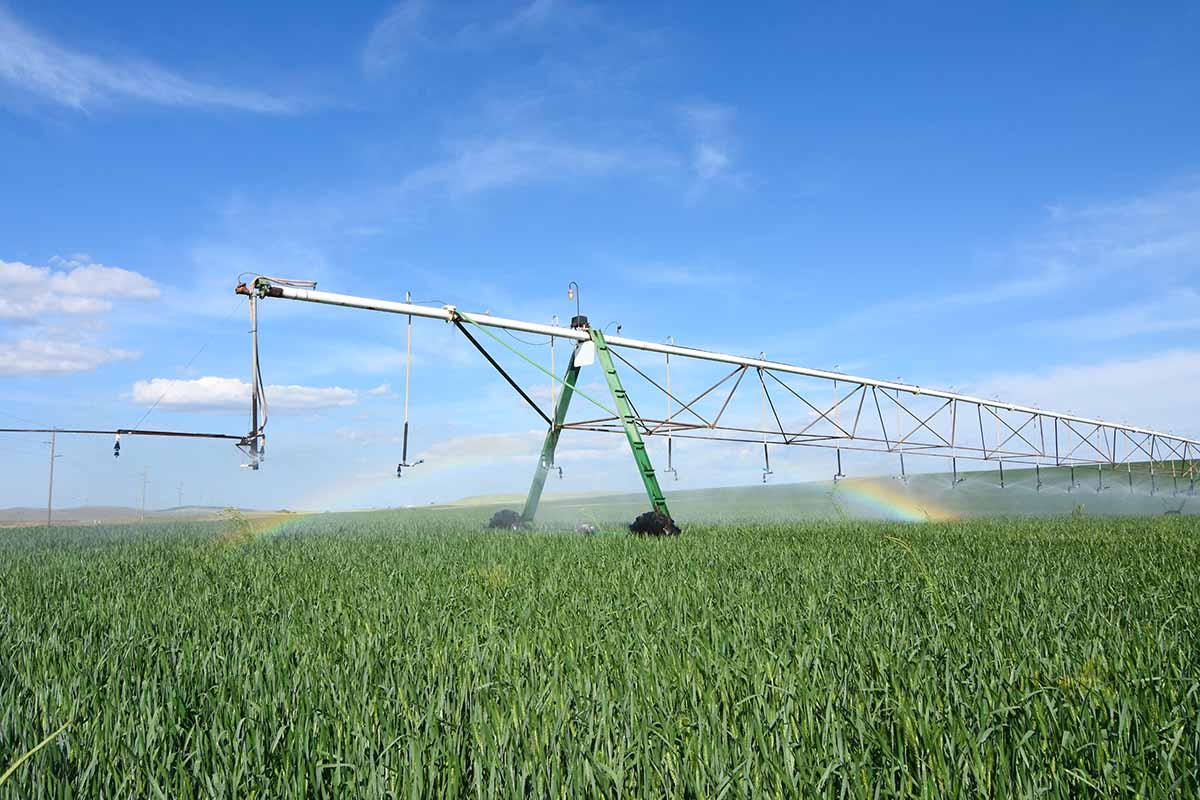
Irrigation is key to farms in Central Washington
Western Washington: Forest and Wetland Soils
Western Washington’s soils are heavily influenced by its wet, mild climate and dense forests. Here, forest soils dominate. These soils are rich in organic material from decomposing plants and trees, which creates a dark, nutrient-rich layer called humus. This supports the towering evergreens and lush vegetation of the region. In low-lying areas, such as around Puget Sound Lowlands, wetland soils are common. These soils often have a high water content and are home to unique plants adapted to soggy conditions. Wetland soils also play an important role in filtering water and providing habitat for wildlife.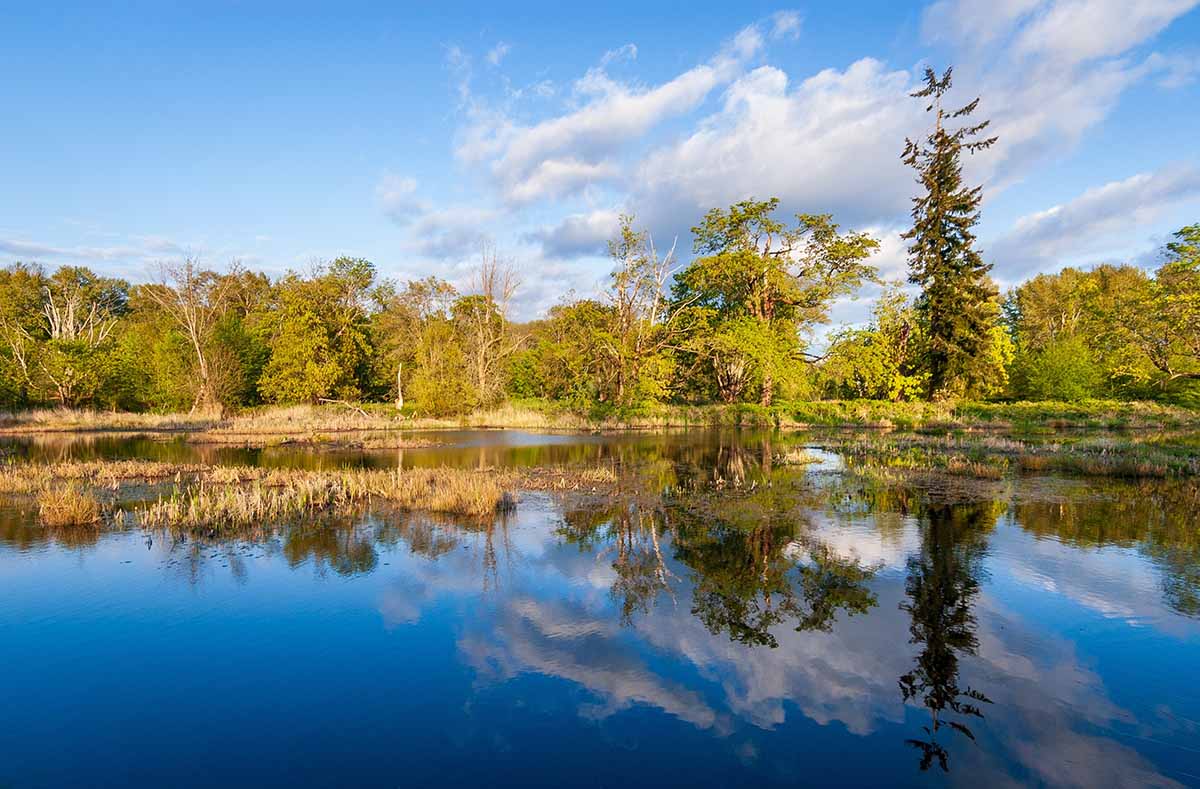
Wetlands are common on the west side of Washington
Soils Shaped by Glaciers
As you learned from the previous article, much of Washington’s soils were shaped by glaciers during the Ice Age. As glaciers advanced and retreated, they crushed rocks into fine particles and deposited them across the state. These glacial soils are found in many areas, from the fertile farmland of the Skagit Valley to the rocky soils of mountain slopes.